

Essential oils, revered for their potent and multifaceted therapeutic properties, are integral to many modern wellness practices. Extracted from various parts of plants, these concentrated substances encapsulate the essence of their sources, offering a natural approach to enhancing physical health, emotional balance, and mental clarity. Understanding essential oils requires exploring their origins, benefits, methods of use, and safety considerations.
Origins and Extraction
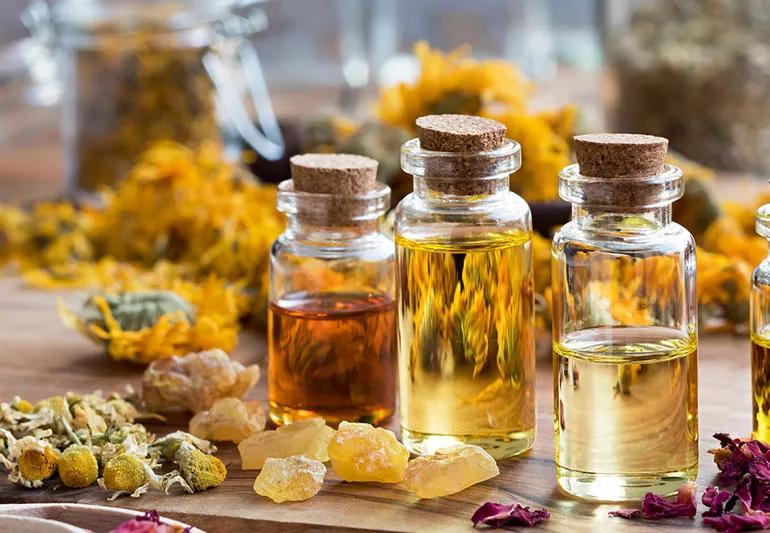
Essential oils are obtained through several extraction methods, with steam distillation and cold pressing being the most common. Steam distillation involves passing steam through plant material to vaporize the volatile compounds, which are then condensed back into liquid form. Cold pressing, on the other hand, involves mechanically pressing the plant material to release its essential oils. Each oil reflects the unique characteristics of its plant source. For instance, citrus oils like orange and lemon are typically cold-pressed, while oils like lavender and rosemary are steam-distilled.
Therapeutic Benefits
The therapeutic benefits of essential oils are as diverse as their sources. Lavender oil, known for its calming and soothing properties, is often used to alleviate stress, anxiety, and insomnia. Its gentle floral scent creates a tranquil environment conducive to relaxation and restful sleep.
Peppermint oil is celebrated for its invigorating and cooling effects. It can help relieve headaches, improve mental focus, and soothe digestive discomfort. The menthol eeterlikud õlid in peppermint oil provides a refreshing sensation that can also ease muscle tension and promote respiratory health.
Tea tree oil, with its potent antimicrobial properties, is a popular choice for addressing skin issues such as acne and fungal infections. Its antiseptic nature makes it effective in cleansing and purifying the skin.
Methods of Use
Essential oils can be utilized in various ways to suit different needs and preferences. Aromatherapy involves inhaling the aroma of essential oils to achieve therapeutic effects. This can be done using diffusers, which disperse essential oil molecules into the air, or by adding a few drops to a personal inhaler or a bowl of hot water for steam inhalation. Aromatherapy can help enhance mood, improve focus, and promote relaxation.
Topical application is another common method, where essential oils are diluted with carrier oils, such as coconut or jojoba oil, before being applied to the skin. This approach allows for targeted relief of physical symptoms, such as muscle soreness or skin irritations. Proper dilution is crucial to prevent skin irritation and ensure safe use.
Safety Considerations
Despite their many benefits, essential oils must be used with caution. Their concentrated nature means they can cause skin irritation or allergic reactions if not properly diluted. It is essential to conduct a patch test before applying a new oil topically. Some essential oils are not recommended for use during pregnancy, for young children, or for individuals with specific health conditions. Consulting with a healthcare professional before beginning any new essential oil regimen is advisable, especially for those with preexisting health concerns.
The Holistic Impact
Essential oils offer a holistic approach to wellness, addressing both physical and emotional aspects of health. By integrating these natural extracts into daily routines, individuals can support their overall well-being in a way that aligns with the principles of balance and harmony.
In essence, the world of essential oils represents a bridge between ancient practices and contemporary health solutions. Their ability to enhance relaxation, improve mental clarity, and support physical health underscores the profound connection between nature and human well-being. Embracing essential oils as part of a holistic wellness approach allows individuals to tap into the essence of nature’s therapeutic potential, fostering a more balanced and enriched life.
